Daytime
Community and after-school center use


Community Impact Case Study
A Phoenix church wanted to identify which missing local services could be delivered effectively with existing facilities.
Vado evaluated community activity and service gaps to identify the highest-impact use of currently underutilized church buildings.
The recommendation was a dual-use model supporting daytime community programming and evening treatment or support activity.
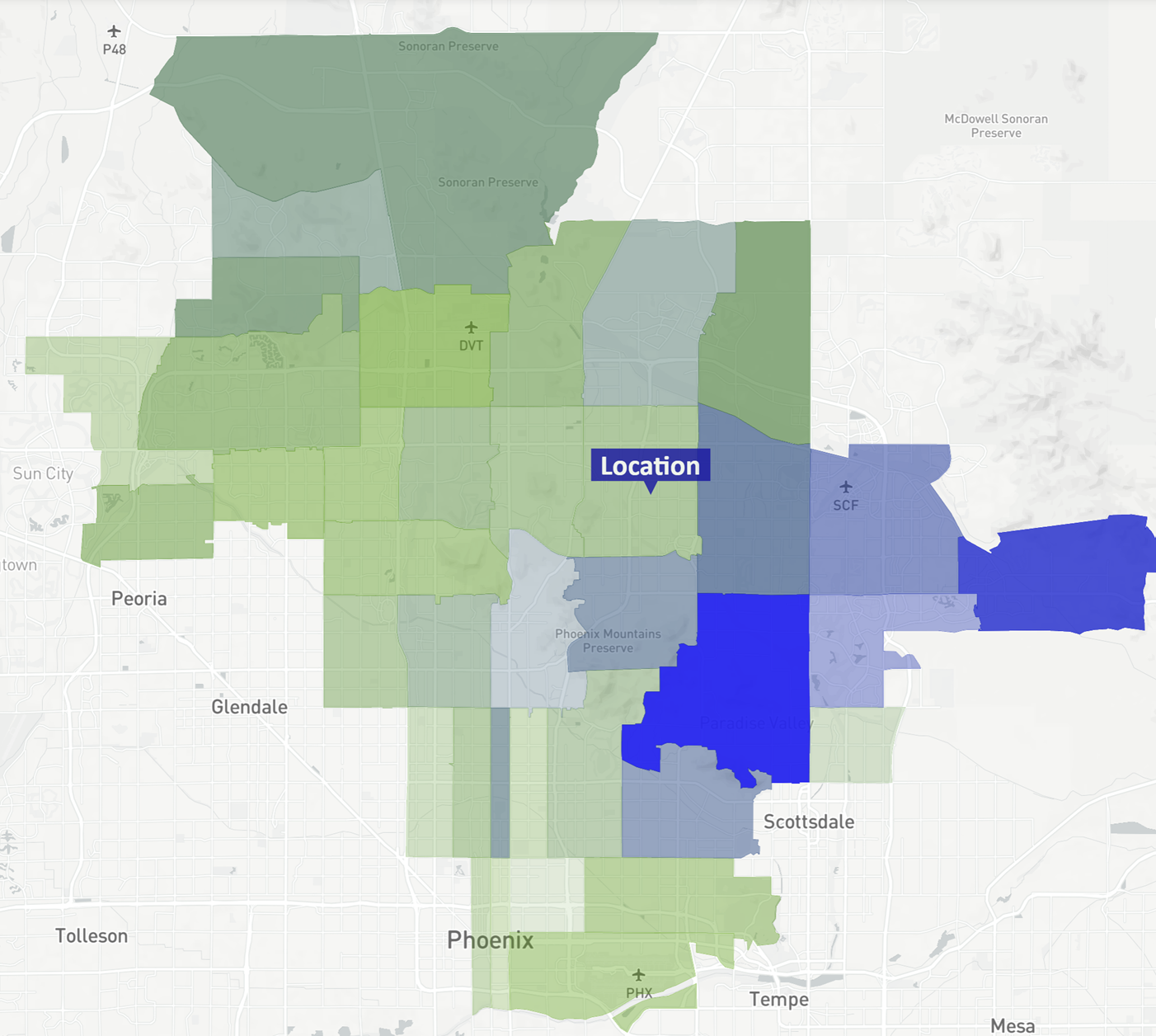
Past Activity
Daytime
Community and after-school center use
Evening
Treatment and recovery meeting use
Higher
Attendance and outreach engagement observed
The project turned unused physical capacity into a practical community service platform without requiring new construction.
By matching facilities to local need patterns, the church expanded its impact and strengthened long-term community connection.
Church leadership needed to choose services that delivered real local value and were sustainable with available staffing and volunteer support.
Local demand patterns and service availability were analyzed to identify the highest-impact opportunity.
A multi-use operating model was developed for daytime and evening program transitions.
The church aligned volunteers, staff, and schedules to support consistent program delivery.
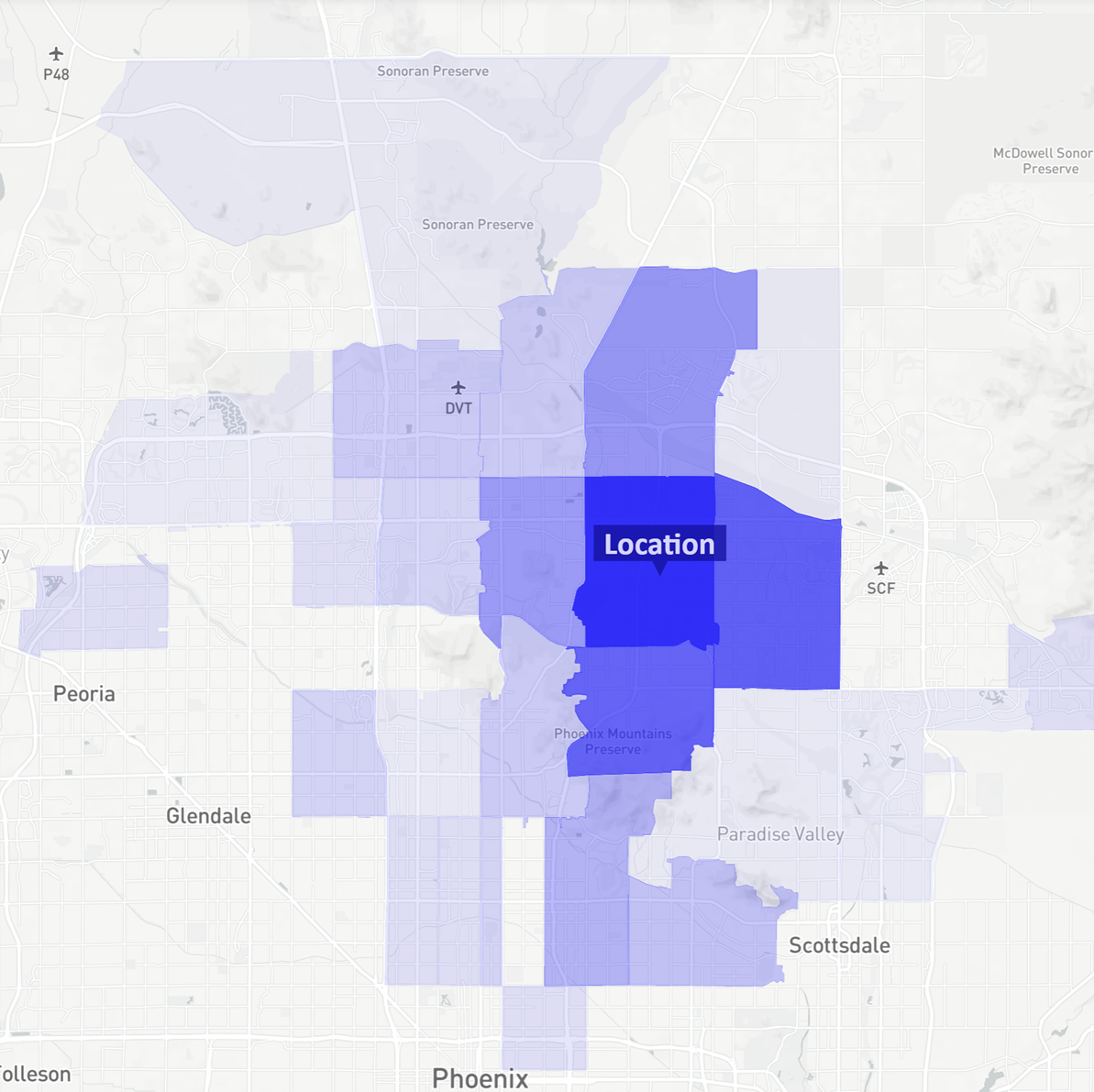
Expanded Reach
An unused building was repurposed into a daytime community center and evening treatment/support meeting space.
This created a broader community role for the church while making existing facilities more productive.
The church expanded service capacity, increased engagement, and established a stronger platform for community outreach.
The space now supports structured daytime programming for local families.
Evening use addressed local recovery and support service demand.
Broader service visibility supported stronger engagement and future giving potential.
It was a service strategy project first, with facilities repurposing used to execute that strategy.
Programs were selected based on local need, feasibility, and expected sustained community usage.
Yes. Any organization with underused space can apply similar need mapping and operating design.