Multi-Year
Revitalization project initiated


EDC Case Study
A Tulsa district wanted to attract and retain businesses to improve jobs, tax revenue, and long-term community stability.
Vado compared local business composition against peer districts and similarly sized markets to identify high-fit company categories and clear demand gaps.
The resulting playbook gave leadership a practical framework for incentives, outreach priorities, and phased revitalization action.
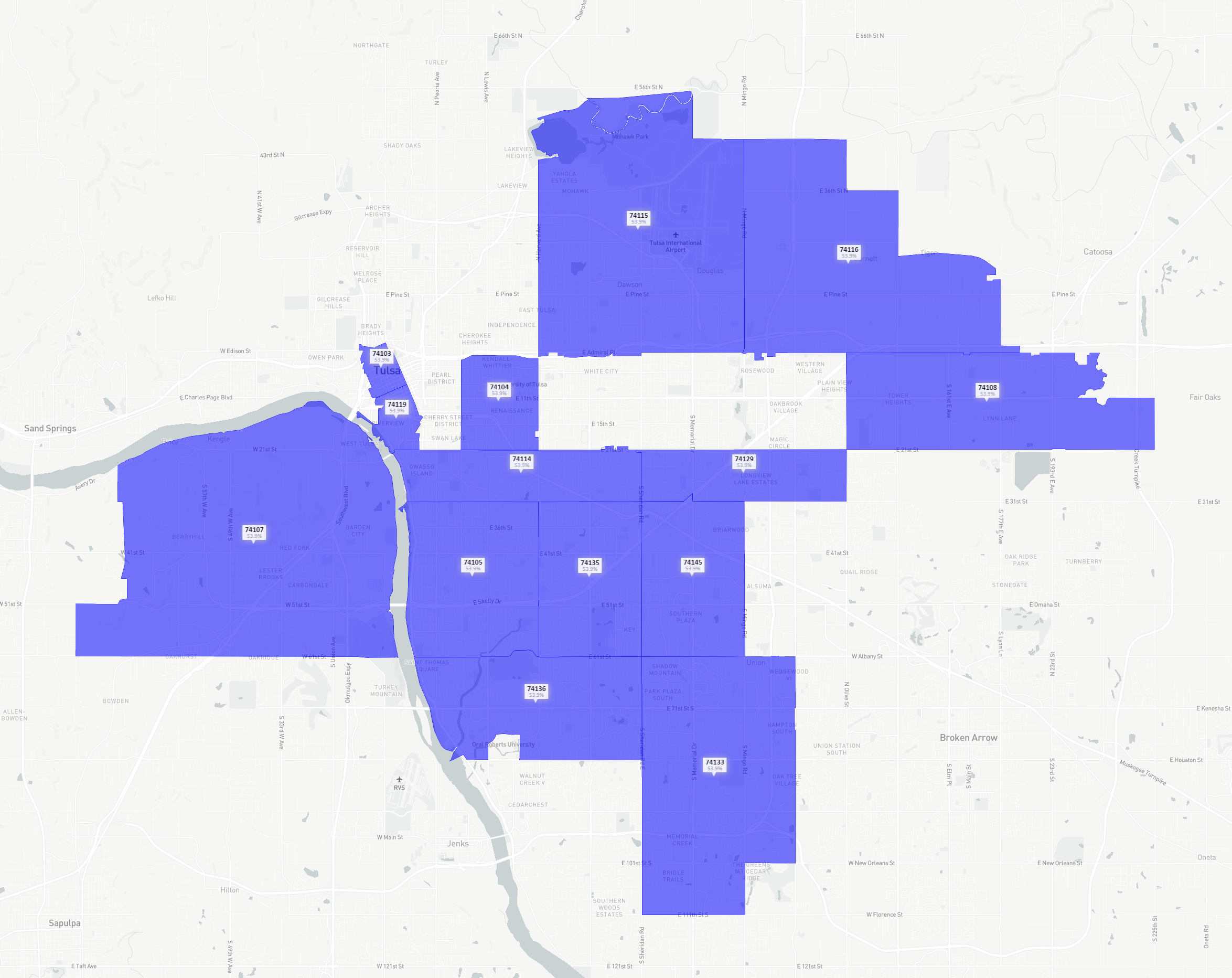
Ideal Area Within City
Multi-Year
Revitalization project initiated
Targeted
Incentives aligned to ideal business profiles
Sustained
Employment continuity strategy deployed
Instead of generic recruitment, the district adopted a targeted strategy grounded in market-fit evidence and business-type feasibility.
This shifted planning toward measurable opportunity segments and improved confidence in long-range economic development decisions.
The district needed a strategy that supported both net-new business attraction and stabilization of existing employment.
Comparable districts and cities were analyzed to identify business mixes associated with stronger local outcomes.
Business categories were scored for missing demand, undersupply, and potential for successful local adoption.
Findings were translated into actionable outreach and incentive recommendations for district leadership.
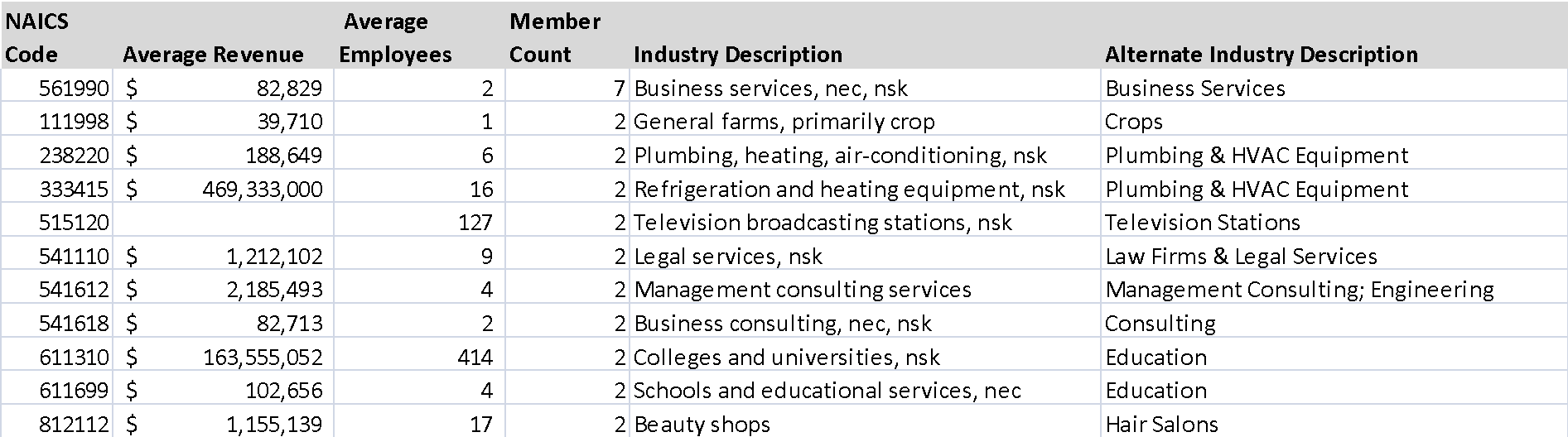
Ideal Company Type
The district launched a multi-year revitalization plan using prioritized business targets and policy tools tied to market-fit criteria.
Economic development teams used the playbook to support both attraction campaigns and employment continuity planning.
Local leaders moved from broad aspiration to a focused execution model for recruitment and revitalization.
Strategy shifted from ad hoc initiatives to a structured long-term program.
Recruitment support aligned with the highest-opportunity business categories.
The framework informed actions that protected local jobs as market conditions changed.
This project delivered an operational playbook with prioritized actions, not only descriptive research.
Yes. The benchmarking and gap analysis framework scales to different geographies and resource levels.
No. The strategy also supported employment retention and resilience planning.