241%
Increase in daily average revenue


Direct Response Case Study
A nationwide insurance company wanted to scale senior-focused supplemental products without carrying a five-year customer payback cycle.
Vado combined first-party policyholder patterns with third-party market intelligence to rank high-propensity households and align direct mail, digital, and newspaper strategy around one targeting model.
The strategy moved budget out of broad demographic assumptions and into scored audiences and geographies with stronger conversion economics.
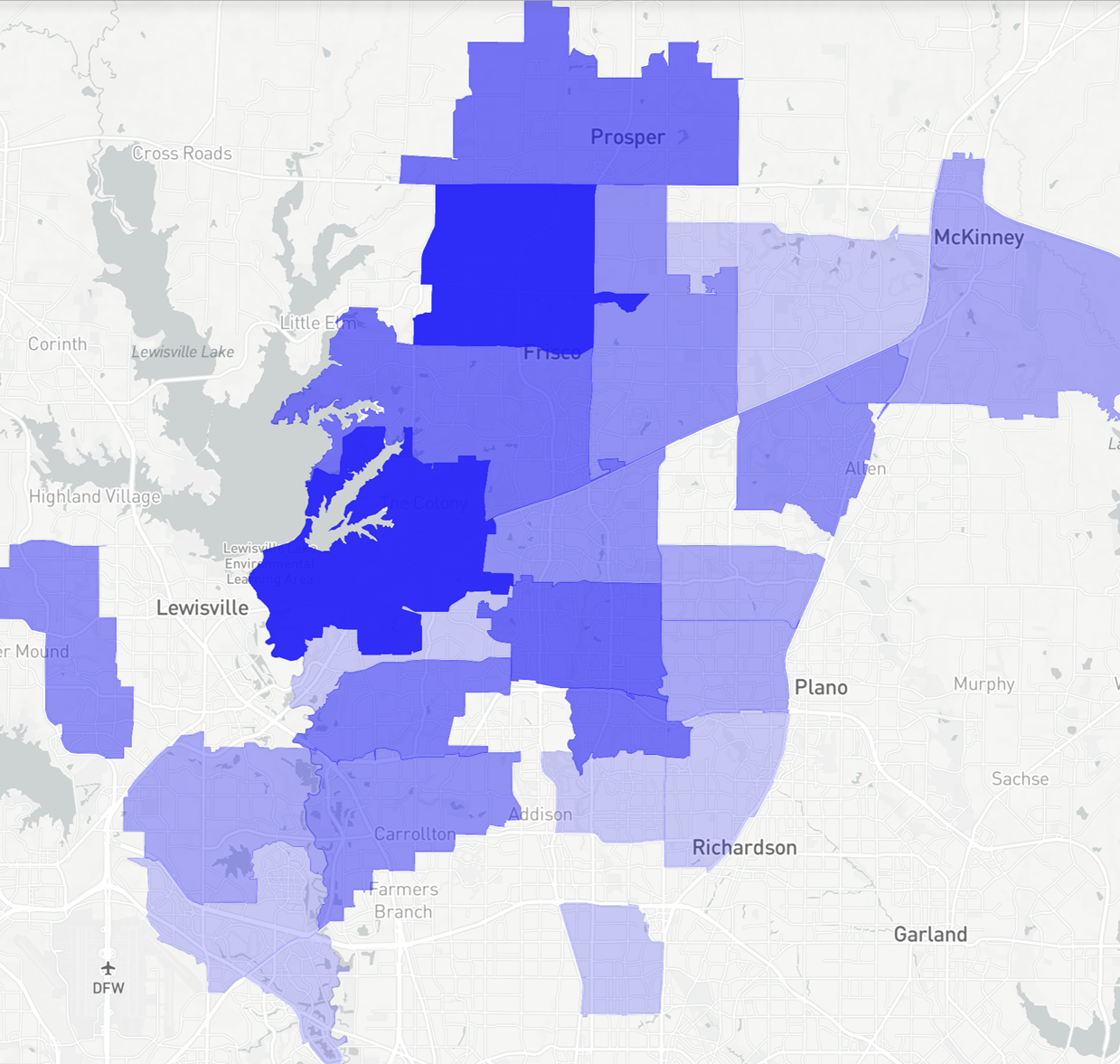
Past Customer Activity
241%
Increase in daily average revenue
<24 mo
Payback period after optimization
3 of 5
Top-population states expanded into
The engagement replaced broad list buying with predictive audience scoring and geo-prioritization, allowing the client to focus spend where expected return was highest and iterate quickly as results came in.
Within two quarters, the product line shifted from speculative launch status to a repeatable growth channel with materially stronger unit economics.
The company had a clear growth objective but needed a national go-to-market plan that could produce profitable customer acquisition in a crowded senior market.
Vado profiled high-value policyholders and built lookalike propensity scoring to rank new prospects.
High-density opportunity zones were identified and mapped to the most efficient media mix by market.
Response data was fed back into planning to shift spend toward winning segments and reduce low-yield pockets.
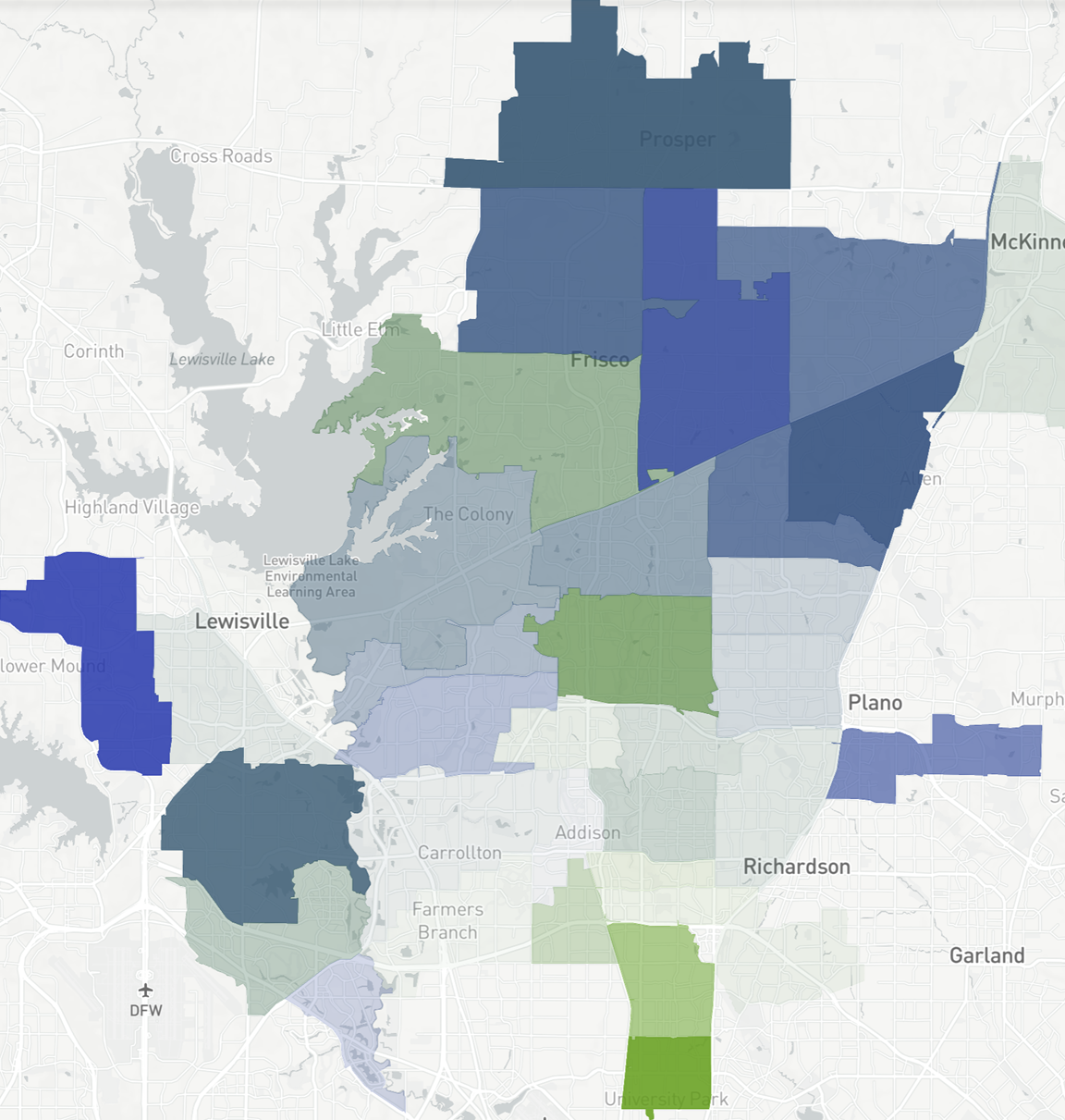
Recommended Target
The client launched an integrated multichannel campaign against top-ranked audiences and geographies, with channel execution tied to one centralized targeting framework.
Campaign management was iterative by design, so allocation decisions were guided by ongoing response and conversion evidence instead of fixed pre-launch assumptions.
Performance improved quickly and created the financial room to scale beyond the initial launch footprint.
Daily production rose sharply during the first six months of campaign execution.
Improved audience quality reduced acquisition waste and accelerated return.
Higher lead quality supported confident expansion into competitive growth markets.
Moving from broad demographic targeting to propensity-ranked audience selection was the largest performance lever.
Leading indicators improved during early optimization cycles, with major revenue impact visible within six months.
Yes. The same modeling and geo-prioritization process can be replicated across additional states and products.