12%
Year-over-year revenue increase in targeted states


Retail Case Study
A national mortgage company needed stronger campaign outcomes across a three-state region during a seasonal slowdown.
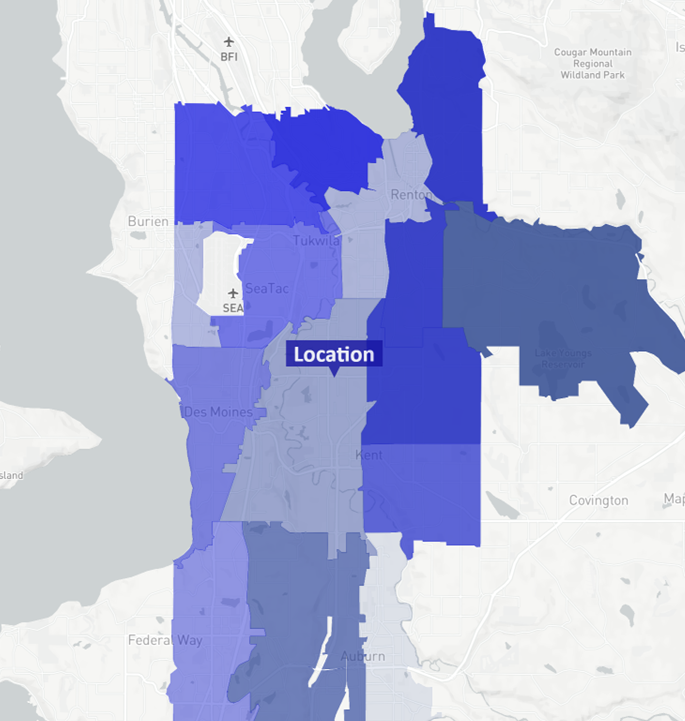
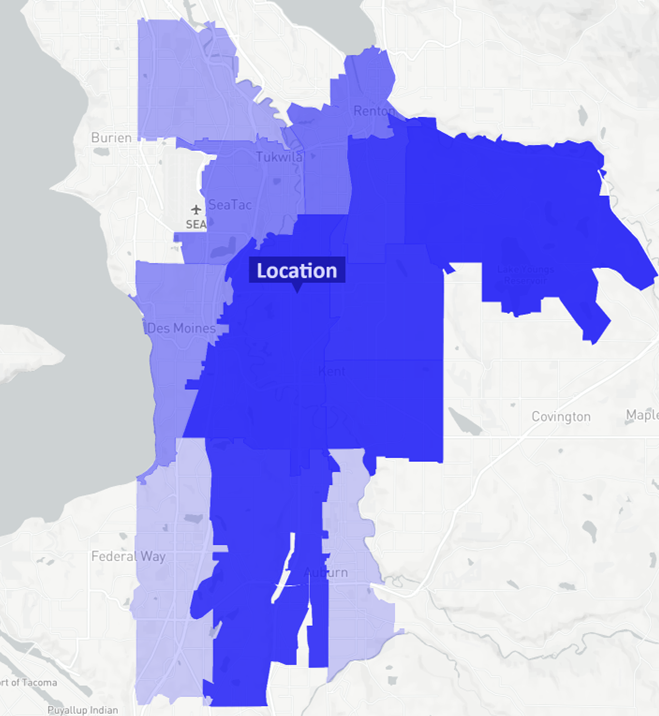
Vado fused first-party customer signals with competitive and market data to identify which audiences and geographies had the highest lending conversion potential.
The campaign was reallocated toward those segments to improve share of voice and conversion quality without additional spend.
Past Customer Activity
12%
Year-over-year revenue increase in targeted states
3 States
Optimization footprint during slow season
Flat Budget
Growth achieved without increasing spend
The lender improved outcomes by prioritizing conversion quality over broad traffic volume.
Targeted states showed positive growth while non-targeted comparison markets remained weaker, reinforcing the impact of allocation changes.
The business needed better lending performance in a difficult period while maintaining strict budget discipline.
Customer and market signals were combined to score audiences by expected lending relevance.
Campaign focus shifted to markets where demand quality and operational follow-through aligned.
Low-performing segments were reduced to fund stronger opportunities within the same spend envelope.
Recommended Target
The new plan increased concentration in higher-intent audiences and regions while preserving overall media budget.
Ongoing performance review ensured gains were sustained and informed where future fulfillment expansion might be needed.
The lender improved targeted-market revenue trajectory during slow season and gained better clarity on next-stage growth markets.
Performance improved against weaker trends in non-targeted comparison states.
Audience selection quality improved campaign efficiency and consistency.
Demand gains highlighted fulfillment capacity opportunities in high-performing regions.
Yes. This case showed that better targeting allocation can raise outcomes within the same budget.
It gives a practical benchmark for separating strategy impact from broader market conditions.
Yes. The same audience scoring and geo-prioritization framework can be extended market by market.