Always-On
Campaign model implemented across seasons


Tourism Case Study
An Aspen resort destination wanted to lengthen its peak season and grow tourism in months that were historically underperforming.
Vado analyzed month-by-month visitation behavior and built seasonal visitor profiles to guide targeting, offers, and media cadence throughout the year.
The client used the framework to launch an always-on tourism strategy instead of relying on seasonal bursts.
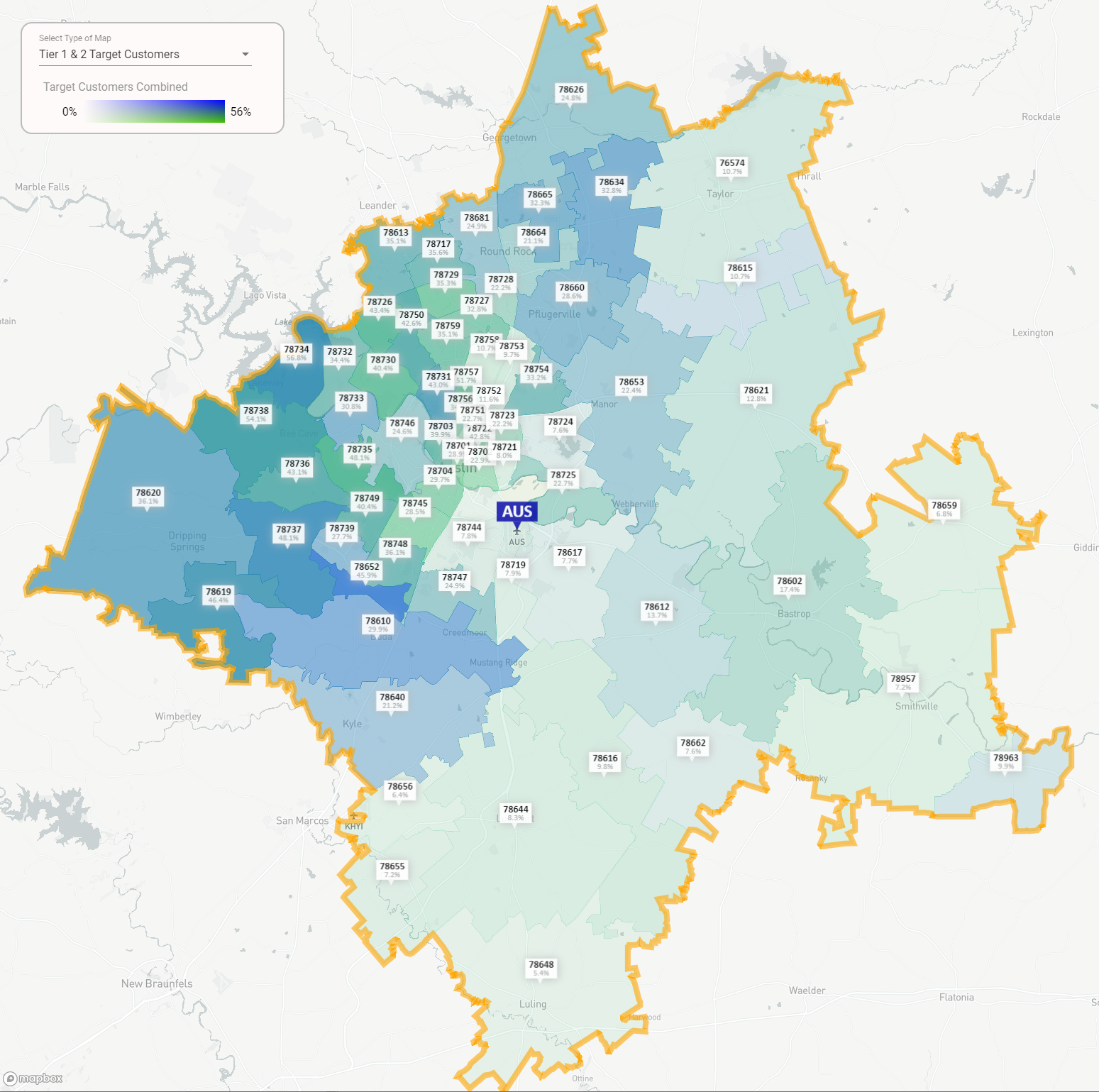
Sample Metro Targeted
Always-On
Campaign model implemented across seasons
Seasonal
Audience profiles by month and offer
Positive
Stakeholder and tax-revenue feedback trend
The strategy shifted destination marketing from one annual narrative to a set of season-specific growth plays tied to audience intent.
That approach improved off-peak demand planning and gave local stakeholders a more stable tourism pipeline.
The destination needed to reduce dependence on winter concentration while keeping brand momentum throughout the year.
Visitation trends were broken down by month to expose specific opportunity windows.
Distinct audience profiles were created for winter, shoulder, and non-peak periods.
Profiles were converted into offer, channel, and metro-targeting guidance for year-round execution.
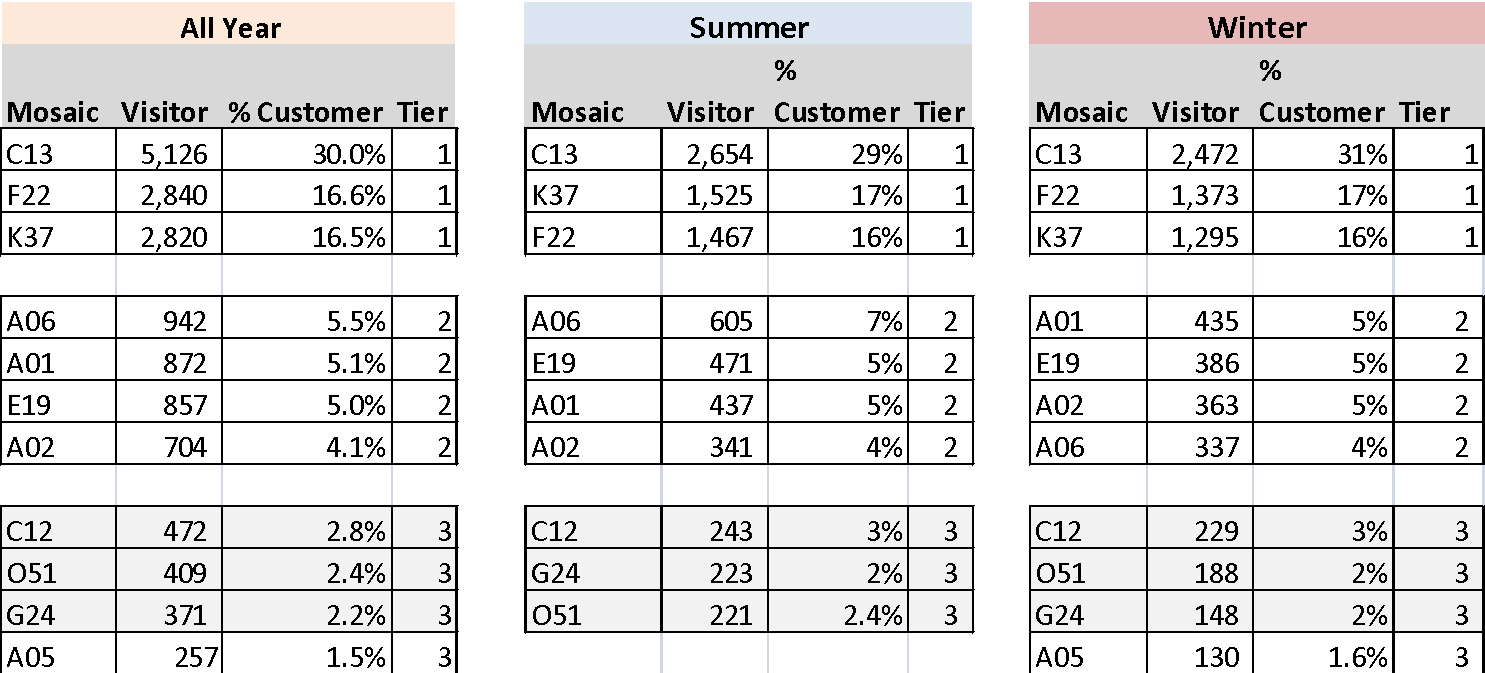
Sample Seasonal Profiles
The client deployed a campaign structure with changing seasonal messages and audience priorities to match demand dynamics.
This gave tourism teams a repeatable method for improving non-peak performance without losing peak-season strength.
The destination moved to a continuous seasonal strategy and improved confidence in off-peak demand generation.
Marketing shifted from burst behavior to an annual execution rhythm.
Campaign planning better matched who was likely to travel in each period.
Stakeholders reported stronger confidence in broader seasonal performance.
Traveler intent changes by season, so message and audience strategy need to adapt with it.
It included seasonal audience profiles, priority geographies, and offer/channel guidance.
Yes. Any destination with seasonal variation can use the same profiling structure.